

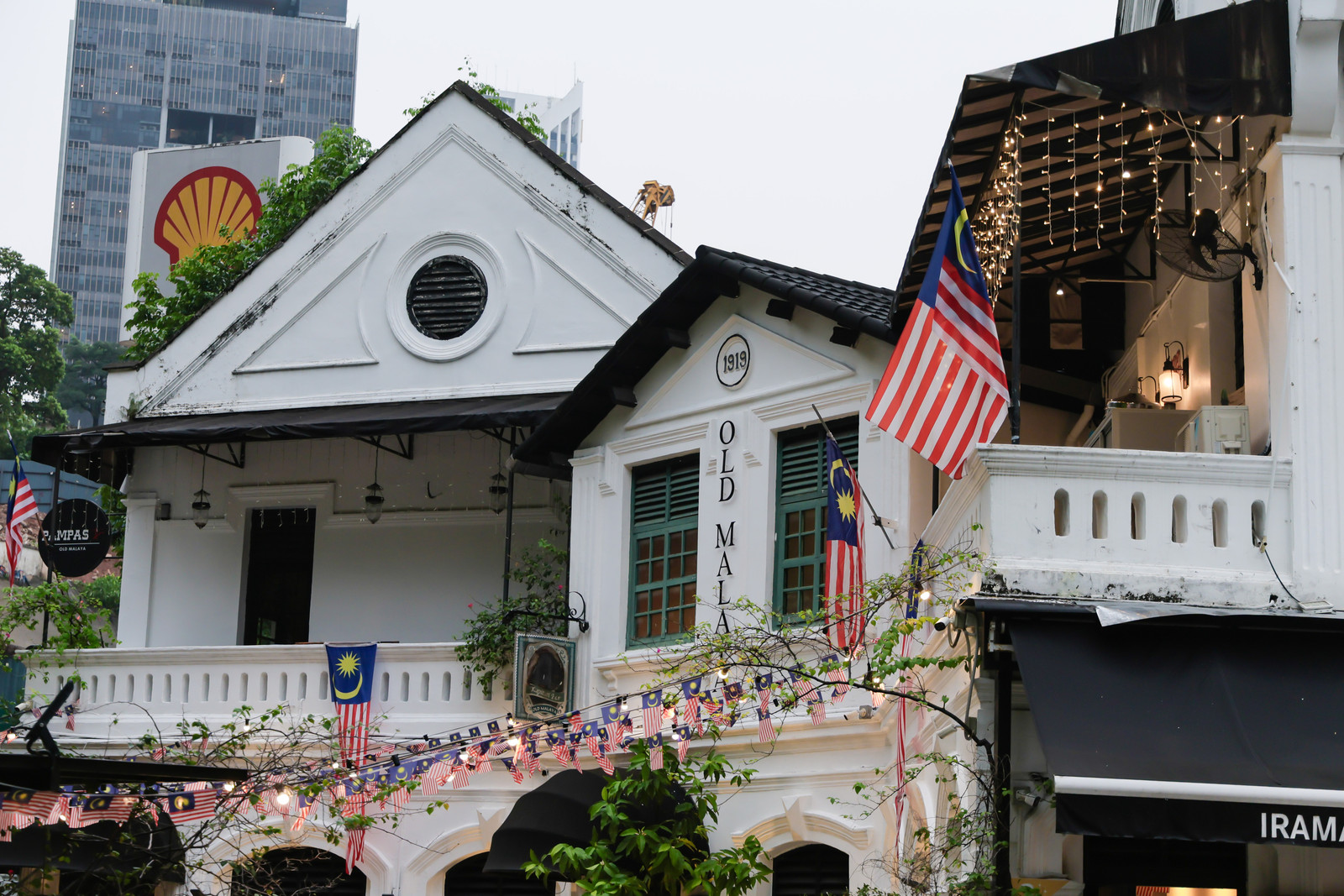
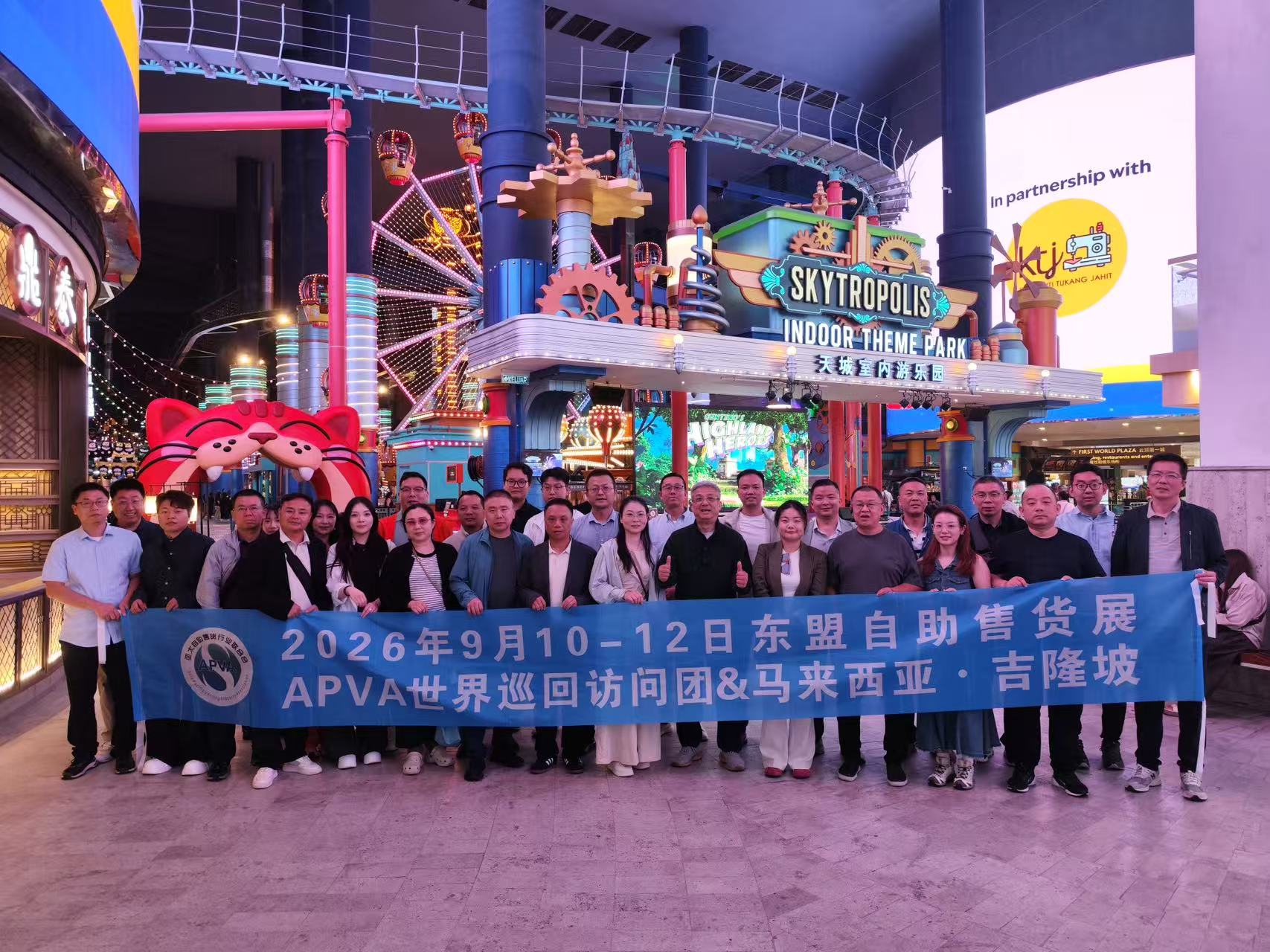
Invited by APVA, VendSolution joined ASEAN SHOP 2026 — Southeast Asia's retail and self-service equipment expo, held September 10–12 at the MITEC exhibition center in Kuala Lumpur. A few days on the show floor and in the field packed in more signal than we expected, and we wanted to capture it while it's fresh — for anyone else watching unattended retail expand across Southeast Asia.
On the show floor, everyone was talking about intelligence and digitalization
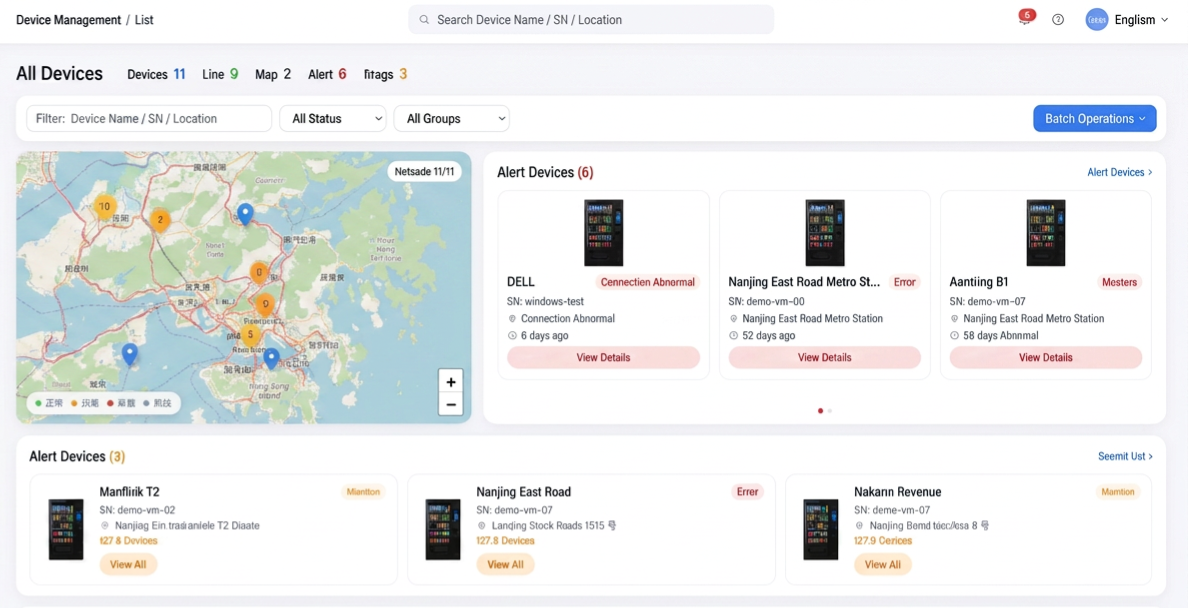
The moment that resonated most was a session from an Indian operator. As the largest unmanned retail cabinet network in India, their core message wasn't "look how cool the hardware is" — it was intelligence and digitalization: inventory, transactions, and operations all online, with selection and replenishment driven by data.
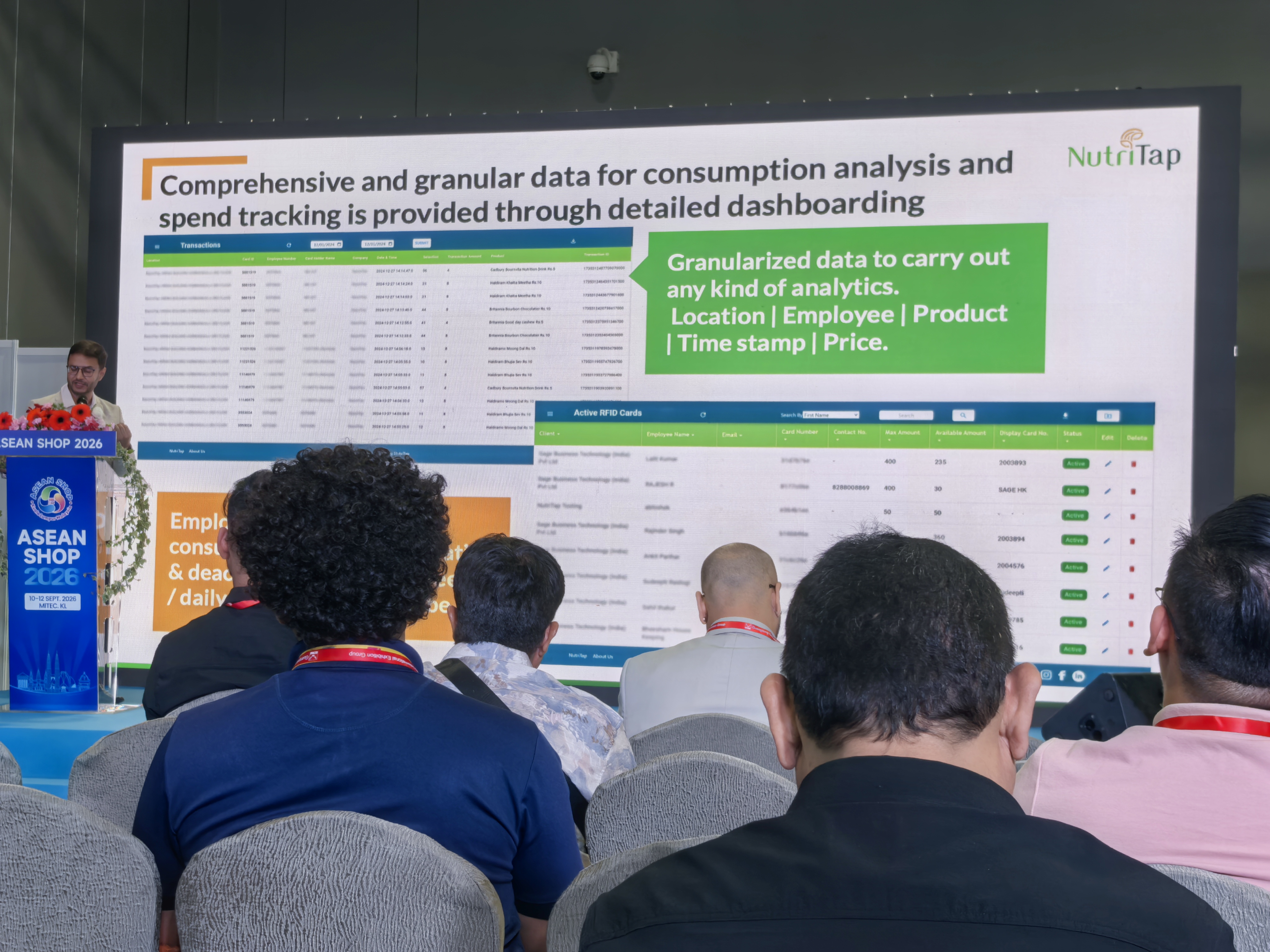
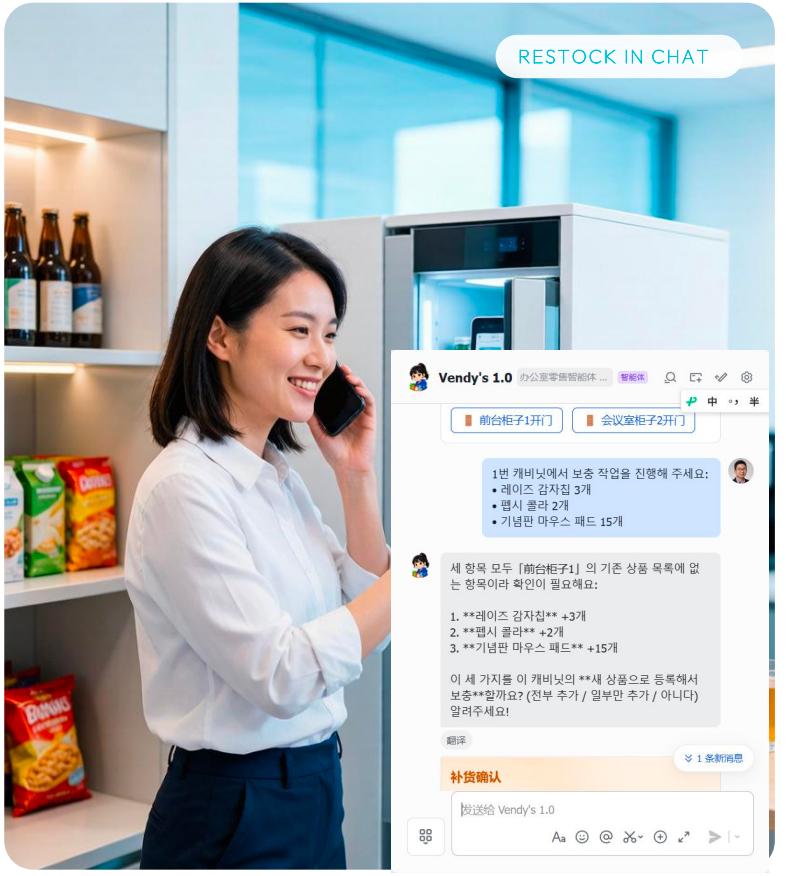
That mirrors our own view exactly: hardware is just the entry point. The real moat is the operations system behind it.
One old coffee machine made us ask a question
In a corner of Kuala Lumpur, a classic Fuji coffee machine stopped us in our tracks.
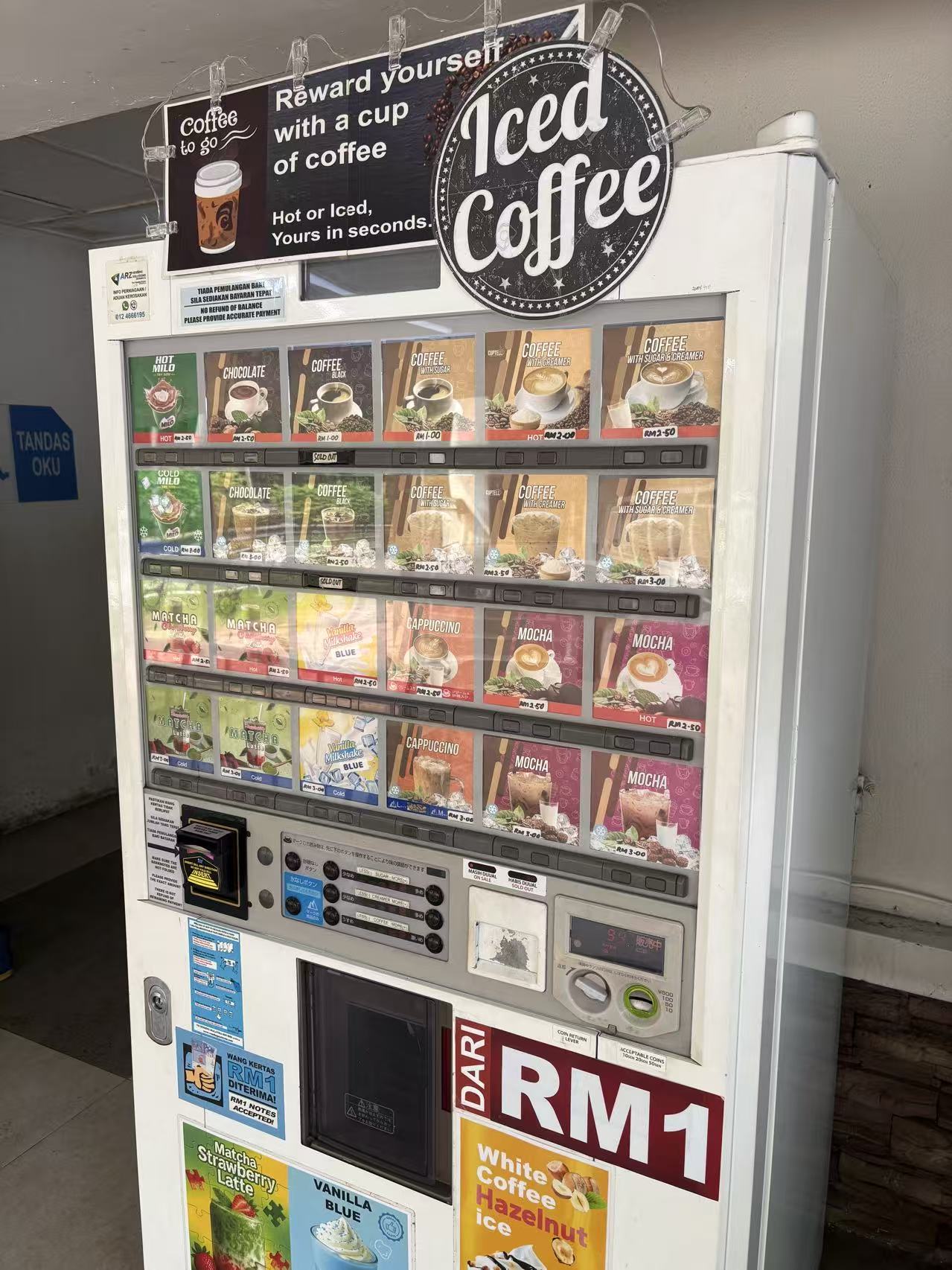
It's beautifully built and reliably consistent — the kind of "old reliable" you see in countless locations. But we noticed it only takes cards and coins. No scan-to-pay, the method locals actually prefer. That small detail made us ask: how do Malaysians really pay?
So how do Malaysians actually pay? Scan-to-pay is already #1
We pulled Malaysia's 2025 payment data, and the answer is clear — scan-to-pay is already the country's number-one payment method:
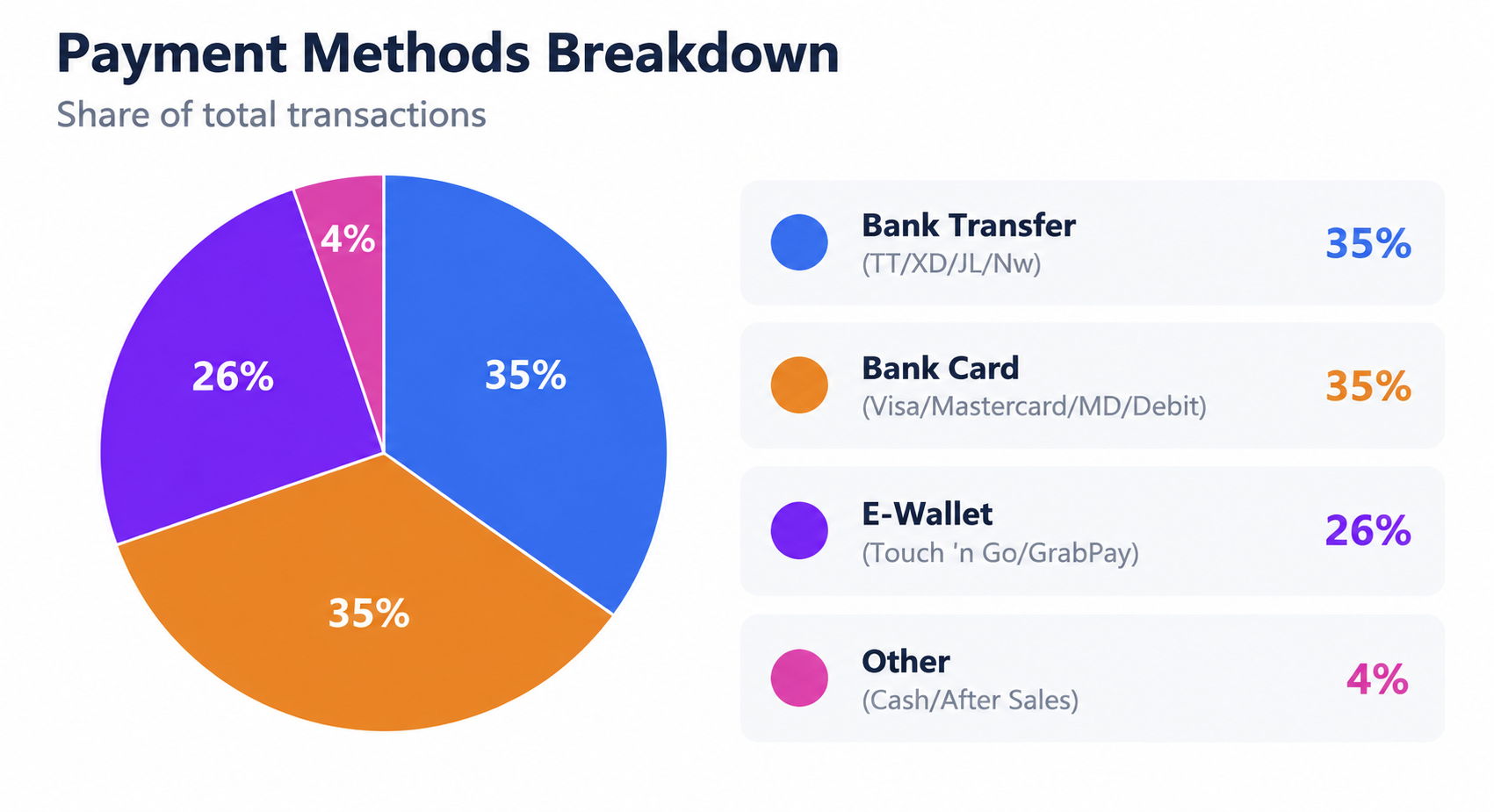
The biggest takeaway from the trip was almost deceptively simple: for unattended retail going global, get payments right first — then the machines sell themselves.
Devices need to support DuitNow QR and Touch 'n Go, and turn "scan and go" into something that feels native to local users. That's what lowers the barrier to entry and spreads out operating costs. Get payment wrong, and even great hardware loses at the conversion step.
This is exactly what we keep refining at VendSolution: multi-payment-channel support — including Southeast Asia's dominant QR codes and e-wallets — as a configurable, standardized capability in the backend, so a machine going overseas doesn't have to reinvent payments market by market.
Kuala Lumpur gave us more than the hardware on the show floor. Between the channel meetings in Genting, the device details at each booth, and the very different payment and assortment dynamics across Southeast Asian markets, there's enough to fill a separate post. Next time, we'll go deeper on the rest of what we learned in Malaysia — stay tuned.