Field Notes from Thailand: Why the Best Retail Technology Starts with Understanding the People Who Use It
From September 14 to 18, 2026, our team visited Thailand to spend time with Bostech and observe vending operations firsthand.
This was not a conference trip or a series of meetings in a boardroom. We wanted to see how the business actually worked: how inventory moved through warehouses, how drivers planned their replenishment routes, how operators managed their machines, and how consumers made purchases at unattended retail locations.
We arrived with proposals and pricing documents. But the most valuable insights came from the places no presentation could fully capture.
Here are five lessons we brought back.
1. Vending Is a Business of Thin Margins and Daily Execution
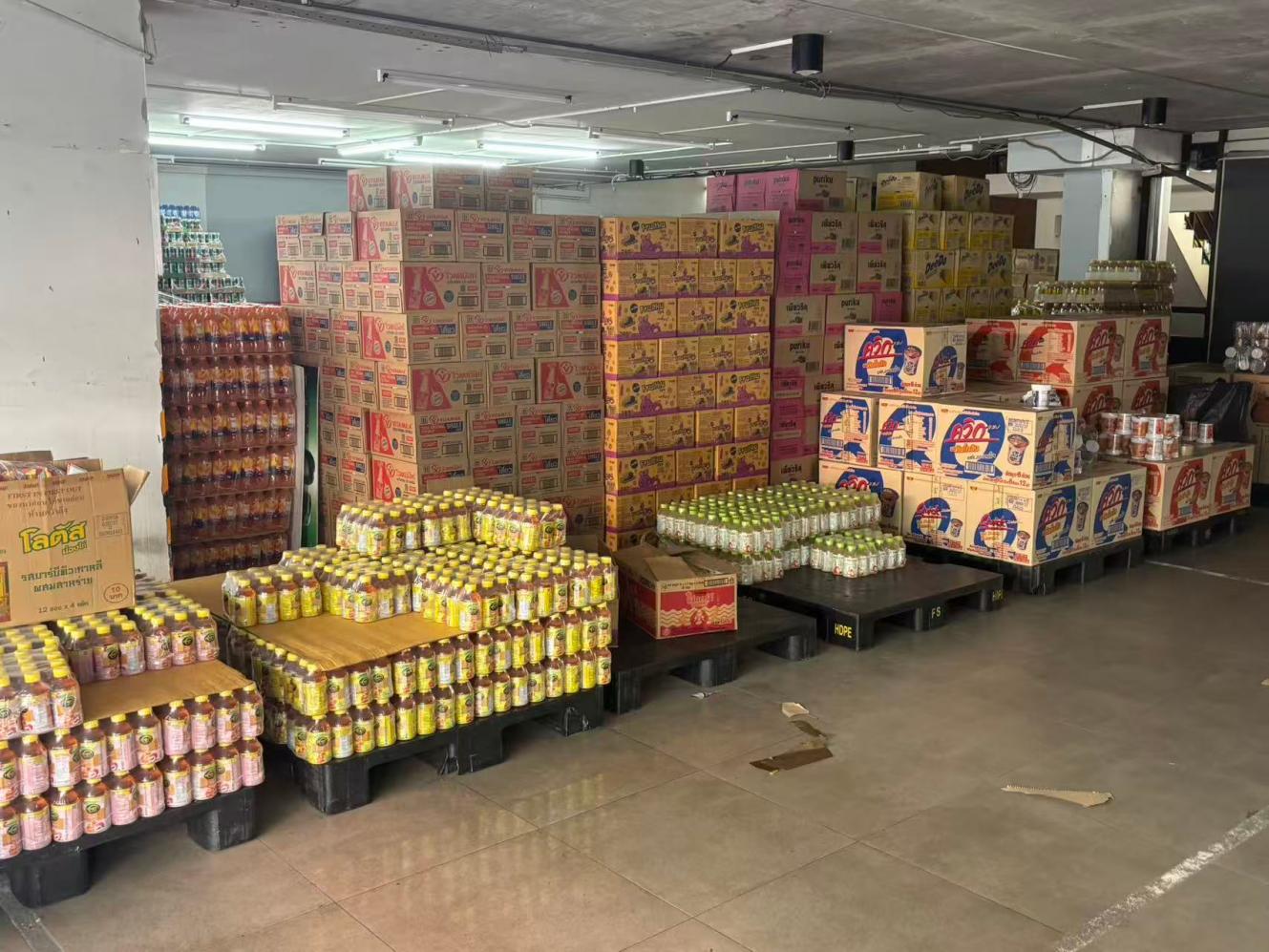
Anyone working in vending knows the business is operationally demanding. Seeing it firsthand makes that reality much more tangible.
At the customer's warehouse, drinks were stacked on pallets almost to the ceiling. Every carton represented inventory that would eventually need to be loaded, transported, delivered, and sold—one bottle at a time.
The margins on an individual bottle can be extremely thin. Profitability depends on getting thousands of small operational decisions right, day after day.
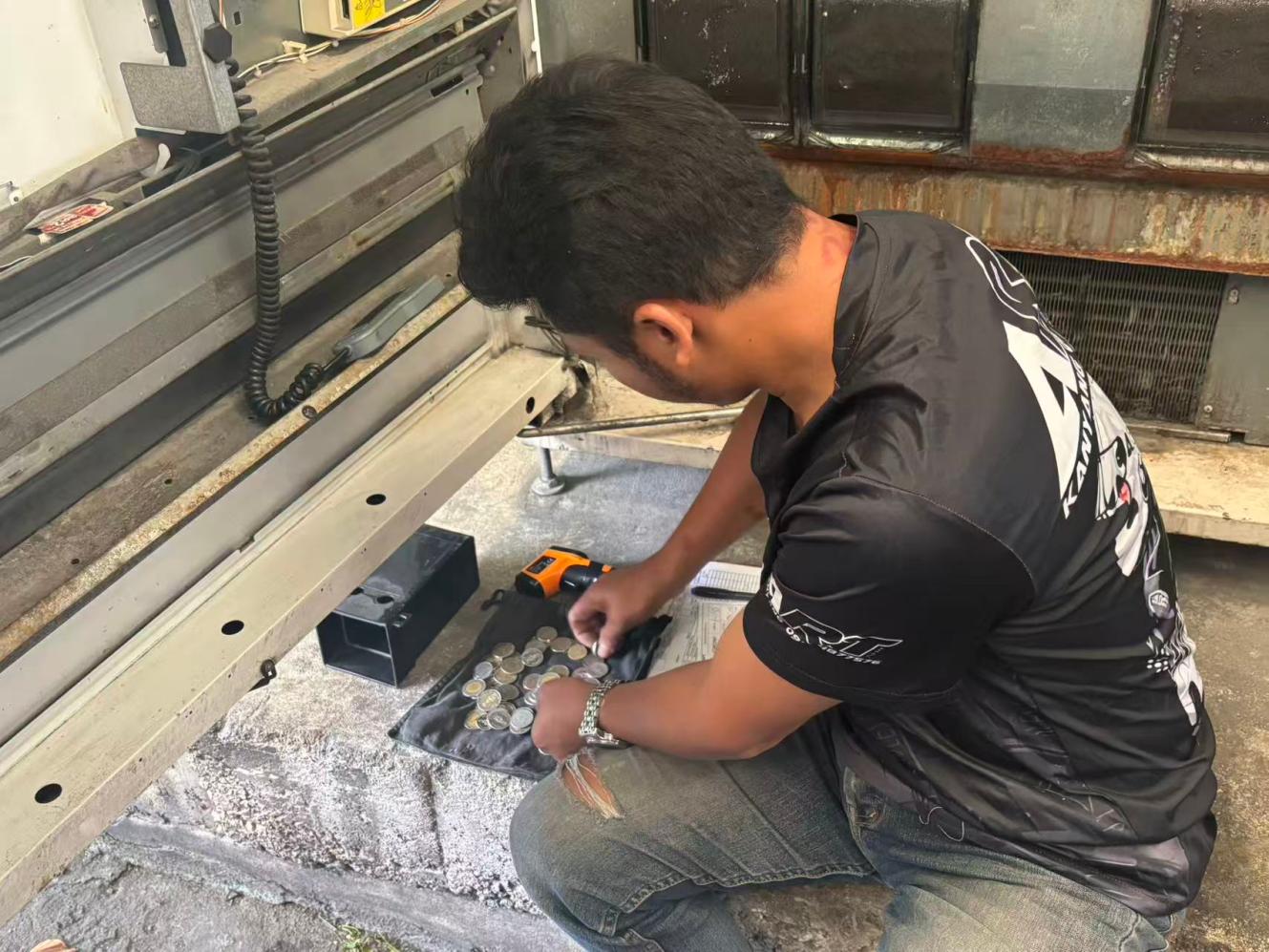
One afternoon, I saw an employee sitting on the concrete floor near the warehouse entrance, counting coins by hand. The coins were spread across a mat, sorted, counted, and packed into bags.
It was a simple but revealing scene.
In the office, we discuss system architecture, data pipelines, dashboards, and user experience. We can fill an entire whiteboard with technical solutions. Yet the economics of vending are ultimately determined by everyday tasks like counting cash, replenishing stock, and keeping machines available for customers.
A technology investment must make economic sense at the operational level.
For a vending operator, a new system is valuable only when its benefits justify its cost—whether that means reducing manual work, preventing delivery errors, improving stock availability, or helping a team serve more machines with the same resources.
The question is not simply whether a technology is advanced. It is whether it makes the business more efficient.
2. Replenishment Is a Logistics Problem, Not Just an Inventory Task
One of the most striking details from the visit was the scale of the replenishment operation.
The customer told us that the farthest machine could be approximately 60 kilometers from the warehouse. One driver was responsible for around 50 machines.
Assuming replenishment every two days, a driver could need to visit more than 20 locations in a single day, depending on the route and workload.
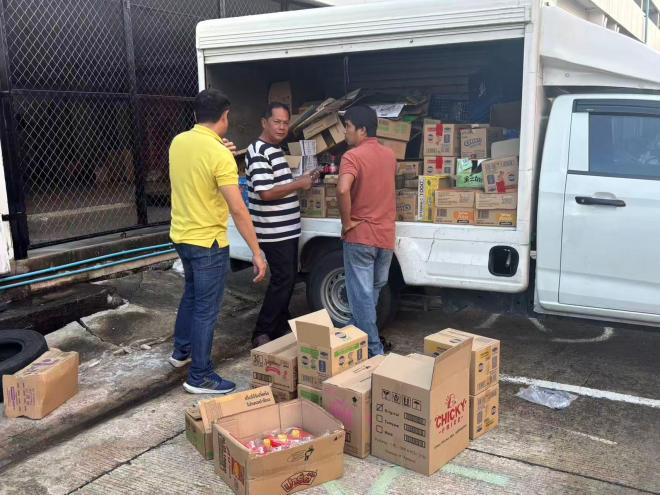
The day starts at the warehouse, where products must be selected, checked, and loaded into a truck. The driver then travels between locations, replenishes machines, and returns to the warehouse.
Every mistake has a cost.
Load the wrong products, and a location may not receive what it needs. Miss a stock shortage, and a machine may run out of a popular item before the next visit. Add unnecessary stops, and fuel, labor, and vehicle time all increase.
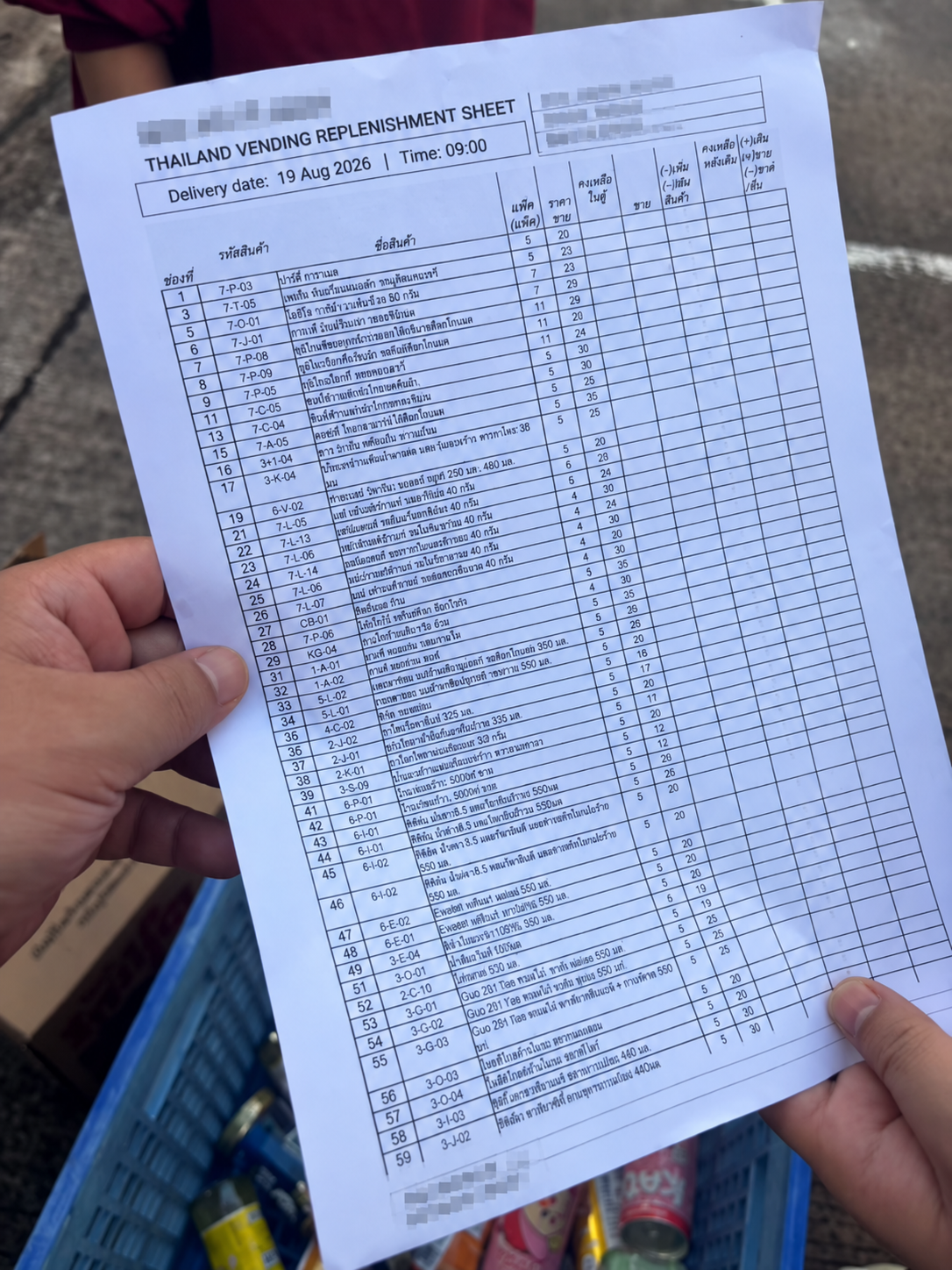
During the visit, I photographed a delivery sheet written in Thai. It contained 59 numbered lines.
That sheet represented more than a list of products. It was part of the operational plan connecting warehouse inventory, vehicle capacity, machine-level demand, and the driver's daily route.
It also raised an important product question for us:
Does our software save the driver time, or does it give the driver more work to do?
A replenishment system should help operators determine what each machine needs, prepare the right products, and complete each visit efficiently. If drivers must repeatedly enter information, navigate unnecessary screens, or confirm data the system already knows, digitization can add friction instead of removing it.
The objective should be straightforward: reduce unnecessary work while improving the accuracy of replenishment decisions.
3. The Best User Experience Is Often the Simplest
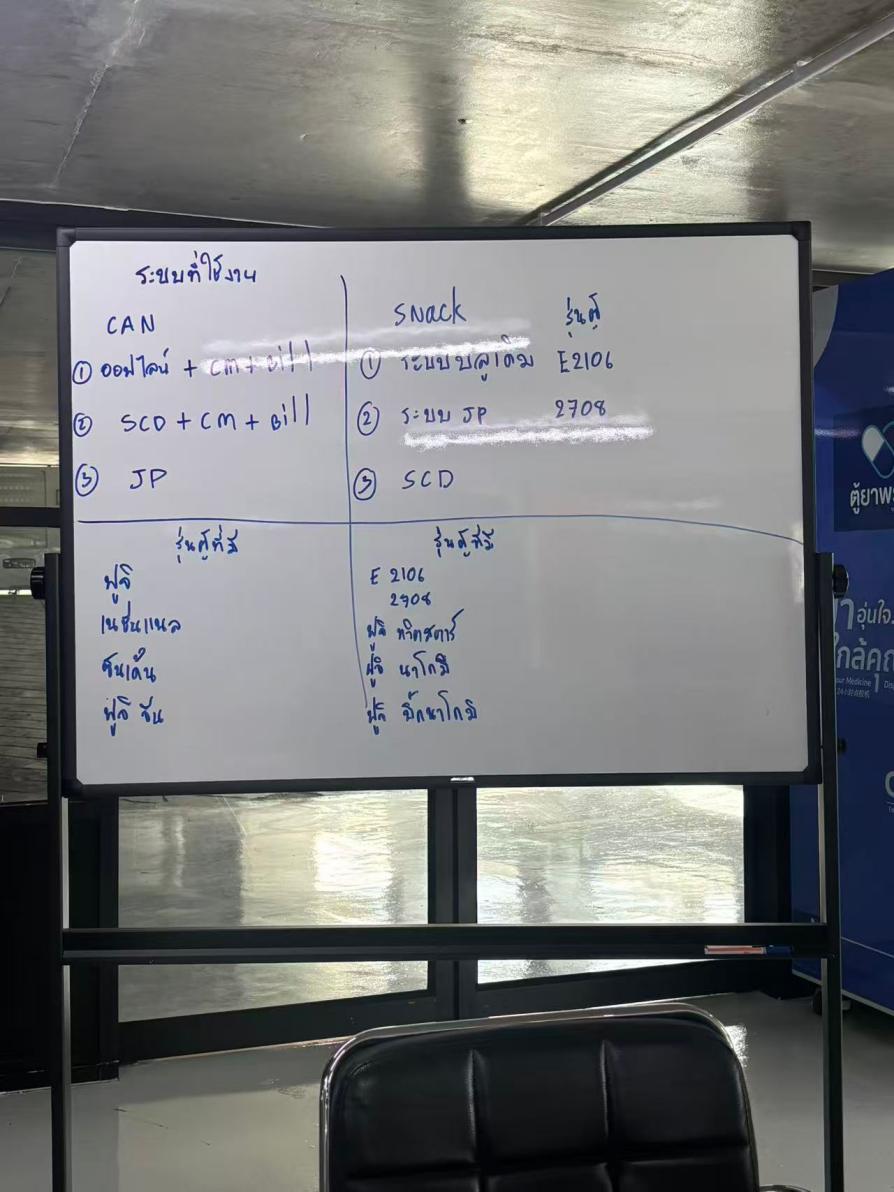
During our discussions, the customer walked us through its operational requirements on a whiteboard. Different machine models, payment configurations, and replenishment methods filled the board.
We spent more than half an hour working through the details, mixing Thai and English and relying on sketches and gestures when words were not enough.
That conversation reinforced a principle we believe every enterprise software team should take seriously:
Customers do not pay for technical sophistication alone. They pay for fewer problems in their daily work.
For a vending operator, that might mean one fewer unnecessary trip, one fewer delivery error, or one less form to complete.
The customer's requirements were practical:
• Easy to understand: Staff should be able to recognize what to do without navigating complicated menus.
• Quick to learn: New employees should be able to become productive with minimal training.
• Easy to integrate: The system should work with existing machines, payment configurations, and operational processes.
• Reliable in daily use: Essential workflows should remain predictable, even across different machine types and locations.
These requirements may sound less exciting than advanced analytics or artificial intelligence. In practice, however, they determine whether a system becomes part of the daily workflow or another tool employees must work around.
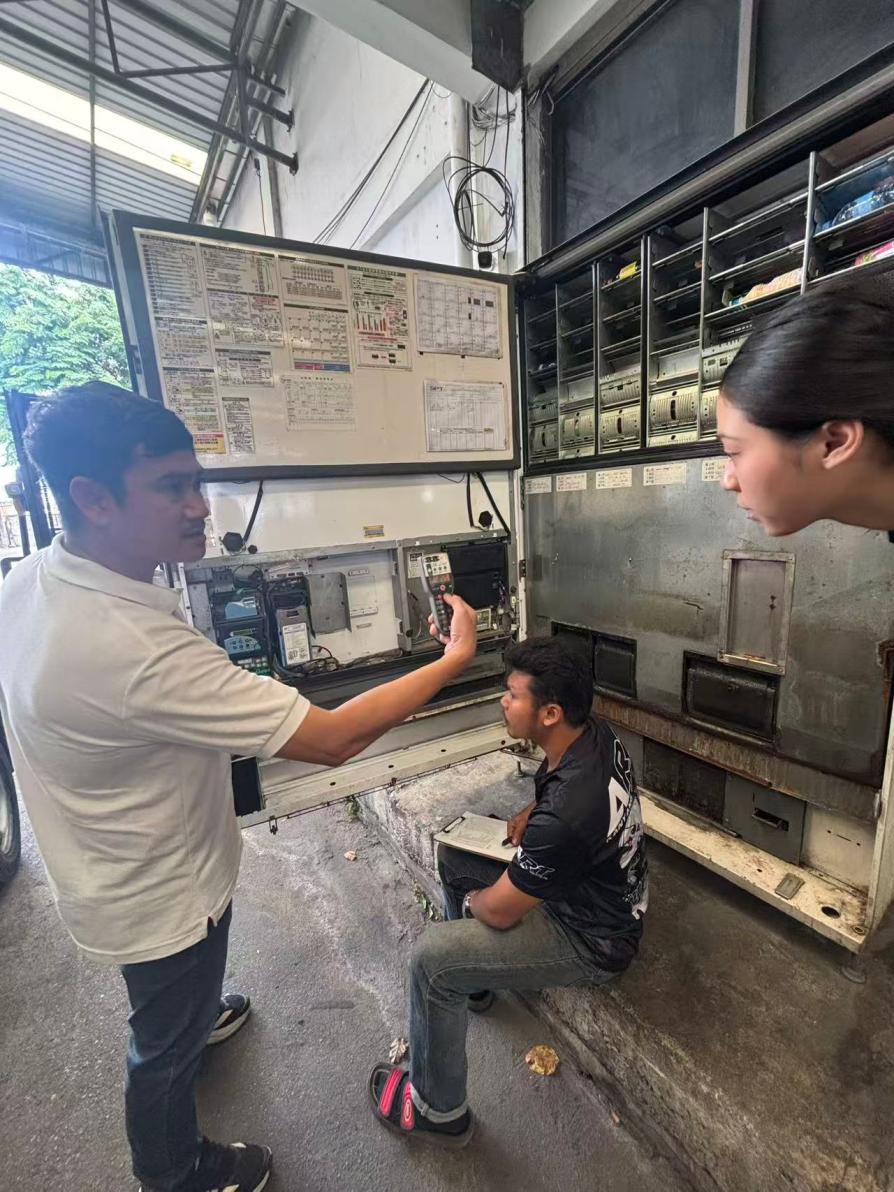
For product teams, this means resisting the temptation to add features simply because they are technically possible.
Sometimes the most valuable improvement is removing a button, eliminating a confirmation step, or reducing the number of screens required to complete a task.
A small interface improvement may look insignificant in a product specification. Across dozens of machines and hundreds of replenishment visits, it can make a meaningful difference.
Good product design is not about maximizing the number of features. It is about minimizing the effort required to achieve the intended result.
4. Trust Is Built in the Field
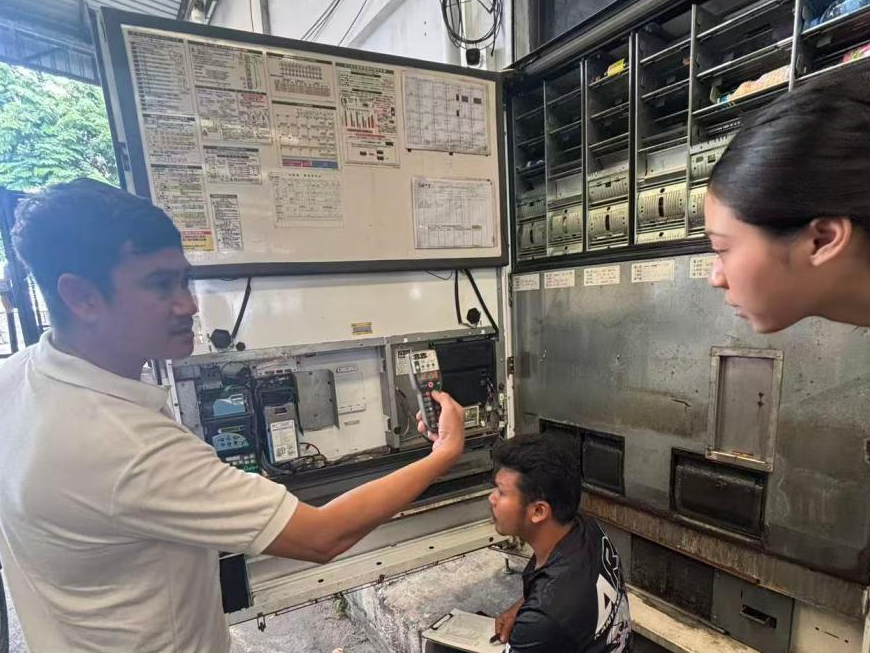
The most memorable part of the trip was not a particular technical discussion. It was the time the Bostech team spent helping us understand its business.
They took us across the city to visit different locations, inspect machine models, observe customer behavior, and examine competing products. We visited machines in parking areas and shopping malls, sometimes under the midday sun, moving from one location to the next.
We also looked at the products being sold, their packaging, and their price points. These details offered context that would have been difficult to obtain from a remote meeting alone.
On several occasions, the customer introduced us to location partners as the experts from China responsible for their system.
That introduction carried weight.
The customer was opening up its warehouses, operational processes, delivery records, and machine locations to us. It was allowing us to see the business as it really was, including the small inefficiencies and practical constraints that rarely appear in formal presentations.
That kind of trust is not established by a contract or a pricing proposal alone.
It develops when a technology partner is willing to stand beside the customer, observe the work, ask questions, and understand the details before proposing solutions.
For companies building software for global markets, this matters. A product may be developed in one country and deployed in another, but the operational context is never identical. Machine configurations, payment methods, workflows, and customer expectations can vary significantly.
Understanding those differences requires more than remote requirements gathering. It requires direct engagement with the people who run the business.
5. For International Projects, Silence Is Expensive
After the visit, I returned with three priorities for our team.
Prioritize feedback from overseas customers
When customers operate across different time zones and languages, reporting a problem can require additional effort.
When they take the time to explain an issue, we should treat that feedback seriously. A delayed or unclear response can discourage them from reporting future problems. Over time, the development team loses visibility into the real operating environment.
Customer feedback is not merely another item in the development backlog. It is an essential source of information about product reliability, usability, and operational fit.
Let field observations shape product requirements
Every requirement should be connected to a real workflow and a clearly identified user need.
Before building a feature, we should ask: Who will use it? What task are they trying to complete? Which step will it eliminate, simplify, or make more reliable?
If we cannot answer those questions, we may not yet understand the problem well enough to build the right solution.
Optimize for usability and reliability, not feature count
Vending operators use software in warehouses, beside delivery trucks, and at machine locations. They do not use it exclusively in controlled demonstrations or quiet office environments.
The interface must be easy to understand. Common tasks must require as little unnecessary interaction as possible. Integrations must fit existing workflows, and the system must behave consistently in daily operations.
These principles are not unique to Thailand. They apply to any market where technology must support distributed, real-world operations.
For VendSolution, they also reinforce a broader product philosophy: digital infrastructure creates value when it connects operational data with practical decisions and actions.
Visibility is only the starting point. The real objective is to help operators act more effectively.
The Bigger Picture: Technology Must Work Where the Business Happens
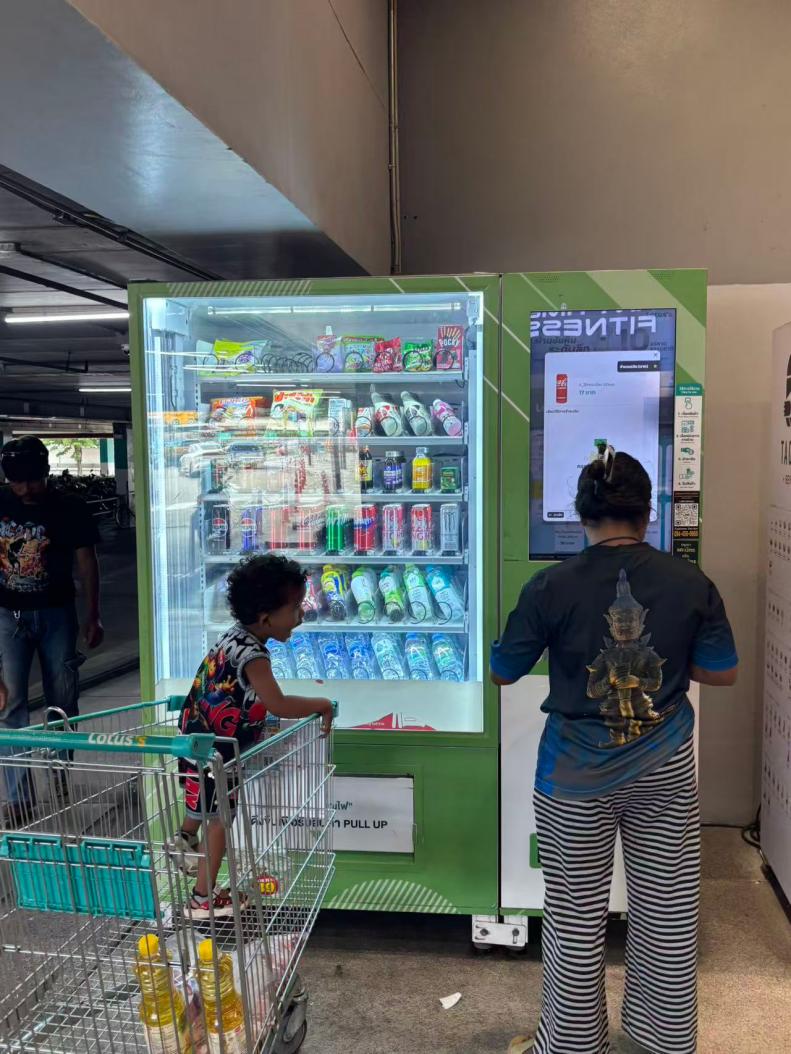
On the flight home, I looked through the photographs from the previous five days.
There were stacks of drinks in the warehouse, an employee counting coins on the floor, delivery teams loading cartons into trucks, and a child standing in front of a vending machine, looking at the drinks inside while an adult placed an order.
That last image stayed with me.
After years in the vending industry, it was a reminder of what this business is ultimately about: making it possible for someone to buy a bottle of water when they need one.
Making that simple experience possible at scale requires much more than a machine.
It requires reliable equipment, effective inventory management, well-planned replenishment, dependable software, and people who understand the operational details well enough to make everything work together.
At VendSolution, we believe the future of unattended retail will depend not only on smarter machines or more sophisticated software, but also on how effectively technology supports the people operating them.
That understanding begins with a willingness to leave the meeting room, visit the warehouse, follow the delivery route, and see the business from the customer's perspective.
The best retail technology is not defined by how much it can do. It is defined by how much easier it makes the business to run.
VendSolution provides vending management and AIoT solutions that help operators connect machines, manage distributed operations, and improve day-to-day efficiency.